Powerful Ancient Mantras for Modern Life Problems
Introduction to Mantras
Welcome to the enchanting world of mantras! If you’ve ever found yourself lost in thought during meditation or perhaps muttering a few sacred words while trying to find your zen, you’re not alone. Mantras are more than just rhythmic sounds; they are powerful tools that have been utilized across cultures for centuries, offering everything from stress relief to personal growth.
Definition of Mantras
At its core, a mantra is a sound, word, or phrase that is repeated during meditation or spiritual practice. Originating from ancient languages like Sanskrit, these sacred words serve as a focal point for the mind, helping to cultivate concentration and mindfulness. Think of them as the ultimate mental Wi-Fi-connecting you to deeper states of awareness and tranquility.
Historical Significance in Various Cultures
The roots of mantra chanting can be traced back thousands of years across multiple cultures:
- Hinduism: In Hindu traditions, mantras are often used in rituals and prayers. The famous Gayatri Mantra, for instance, is revered for its spiritual potency.
- Buddhism: Buddhist mantras like “Om Mani Padme Hum” are chanted to invoke compassion and enlightenment.
- Vedic Traditions: Vedic mantras play a crucial role in ceremonies aimed at invoking divine energies for prosperity and protection.
- Tibetan Practices: Tibetan monks use mantras in their meditative practices as a means of achieving inner peace and clarity.
This rich tapestry of history shows that no matter where you look, mantra chanting has always been about connecting with something greater than ourselves.
Relevance of Mantras in Modern Life
You might be wondering: “What’s the relevance of these ancient chants in today’s fast-paced world?” Well, let me tell you-it’s more relevant than ever! With stress levels soaring and mental health challenges on the rise, many are turning to these transformative chants for guidance.
Key Benefits of Using Mantras Today:
- Stress Relief: Calming mantras help lower anxiety levels.
- Mental Clarity: Focus mantras enhance concentration during work or study sessions.
- Positive Affirmations: Many modern practitioners use mantras as daily affirmations for success and prosperity.
- Healing Energy: Healing mantras can promote physical and emotional well-being.
If you’re looking to incorporate these sacred words into your daily life, start with simple daily mantras. Whether it’s “I am enough” or “Peace begins with me,” these affirmations can change your mindset over time. Plus, they’re way easier than trying to solve all your problems at once!
The beauty of mantras lies not just in their sound but also in their ability to help us navigate the complexities of modern life. As we chant these powerful words-be it during yoga sessions or quiet moments at home-we invite energy shifts that can lead us toward our desired outcomes. So why not give it a try? Your journey into the realm of spiritual chanting awaits!
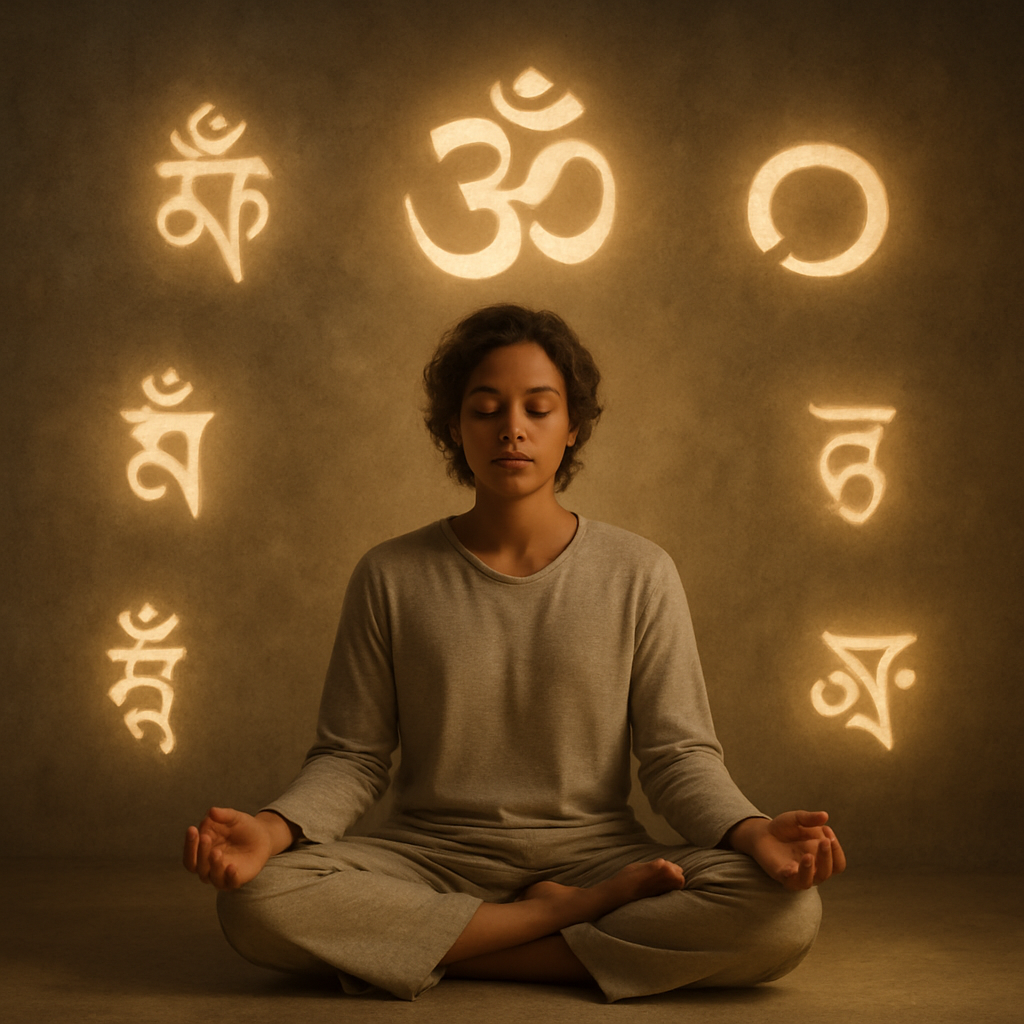
The Power of Sound and Vibration
Explanation of Sound Frequency and Its Effects
Have you ever noticed how certain songs can instantly lift your mood or transport you back in time? That’s the magic of sound frequency at work! Just like a well-tuned guitar string resonates with the right notes, our minds and bodies respond to different frequencies too. When we engage in mantra chanting, we create vibrations that can influence our mental state, emotional well-being, and even physical health.
Research suggests that specific sound frequencies can promote healing, relaxation, and focus. For instance, low-frequency sounds are often associated with calming mantras that help reduce anxiety levels. In contrast, higher frequencies might invigorate your spirit-think of it as a sonic espresso shot for your soul!
The Science Behind Mantras and Their Impact on the Mind
Now let’s dive into the brainy stuff! Studies in neuroscience show that mantra chanting can alter brainwave patterns. When you repeat a spiritual mantra, your brain may shift from a busy beta state (where stress thrives) to a calming alpha state (where relaxation reigns). This transition is akin to switching from rush hour traffic to cruising along an open highway-much more enjoyable!
A study published in the journal *Psychological Science* found that participants who engaged in mantra meditation showed increased attention spans and improved cognitive flexibility.
This isn’t just about feeling good; it’s about enhancing mental clarity! The repetitive nature of traditional mantras helps quiet the mind chatter, allowing for greater focus and concentration-perfect for tackling those pesky work deadlines or personal projects!
Cultural Perspectives on Sound Healing
Across cultures, sound has been recognized as a powerful healing tool. From ancient Hindu mantras to modern therapeutic practices, the belief that sound can heal is as old as time itself:
- Native American Traditions: Shamans use drumming and chanting to connect with spiritual realms for healing purposes.
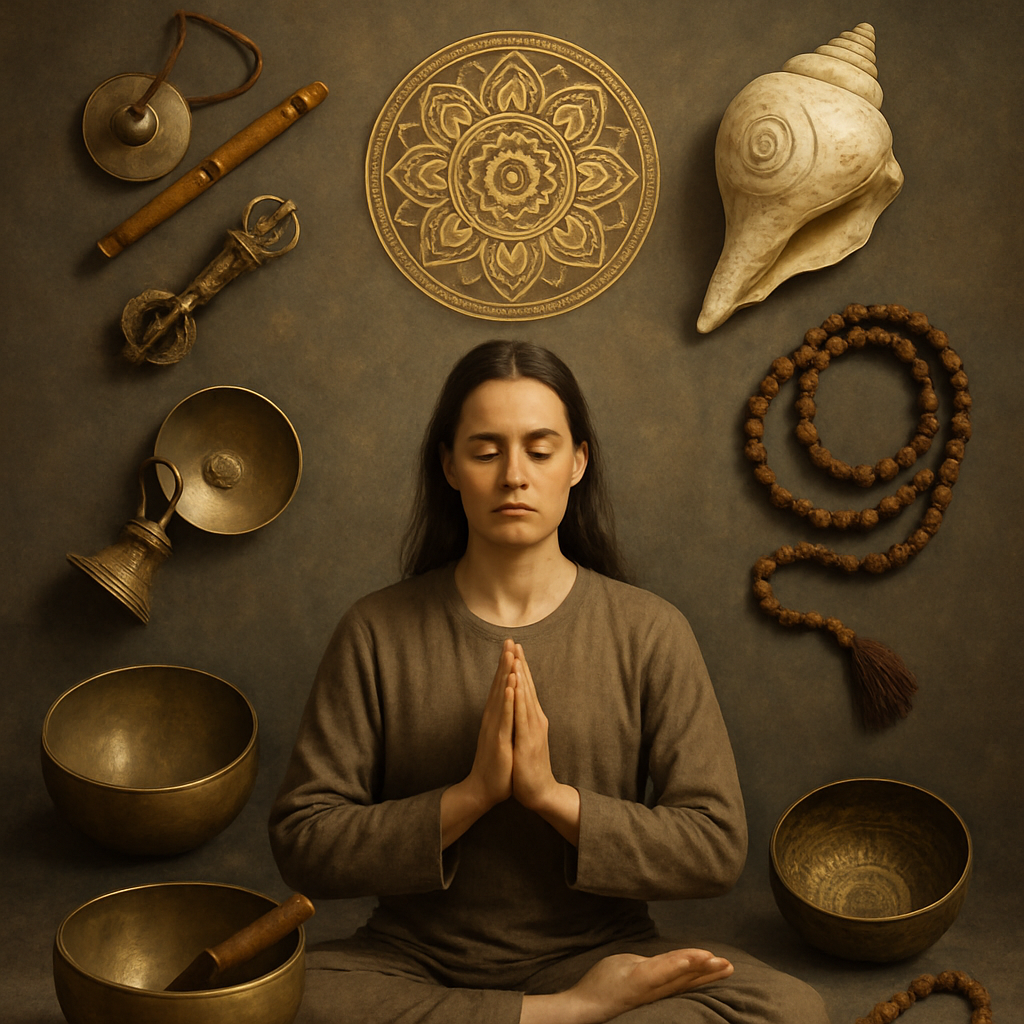
- Tibetan Singing Bowls: These bowls produce harmonic sounds believed to promote relaxation and balance energy.
- Western Sound Therapy: In recent years, sound baths have gained popularity as a way to relieve stress through immersive auditory experiences.
This cultural richness highlights how mantra chanting, regardless of its form, serves as a bridge connecting us to our inner selves while promoting communal harmony. It’s like having an all-access pass to a universal concert where everyone is invited!
Key Takeaway:
- The power of sound is not just spiritual; it’s scientific!
- Cultural practices around sound healing show its universal relevance across time and space.
- Incorporating mantras into your daily routine can lead to profound changes in mental clarity and emotional well-being.
So whether you’re looking for healing mantras, success mantras, or simply some peace amidst life’s chaos, remember: every chant has its own unique vibration waiting to resonate with you. Why not explore this ancient wisdom today? Your journey toward inner peace could be just a chant away!
Ancient Mantras for Modern Life Challenges
Mantra for Stress Relief
Feeling like stress is your new best friend? Time to kick that relationship to the curb with a powerful mantra for stress relief! One of the most revered is the Sanskrit mantra “Om Shanti,” which translates to “peace.” This simple yet profound chant can help you find your center amidst chaos.
Description and Origin of the Mantra
This calming mantra has roots in both Hinduism and Buddhism, often used during meditation practices to invite tranquility. The repetitive nature of this chant resonates deeply within, creating a soothing effect on the mind and body.
How to Practice It Effectively
- Find a quiet space where you won’t be disturbed.
- Sit comfortably, close your eyes, and take a few deep breaths.
- Begin chanting “Om Shanti” either aloud or silently in your mind.
- Focus on the sound and vibration, letting go of any distracting thoughts.
- Continue for 5-10 minutes, gradually increasing as you feel more comfortable.
This practice not only helps alleviate stress but also promotes a sense of inner peace. Think of it as hitting the reset button on your mental state!
Mantra for Clarity and Focus
If you’re juggling tasks like a circus performer, you might benefit from a clarity-enhancing mantra. Enter “So Hum,” which means “I am that.” This yoga mantra helps anchor your thoughts and sharpen your focus.
Description and Origin of the Mantra
<p"so hum"="" originates="" from="" ancient="" vedic="" texts,="" serving="" as="" a="" reminder="" of="" our="" connection="" to="" everything="" around="" us.="" it’s="" like="" wearing="" mental="" glasses="" that="" help="" clear="" away="" distractions!
How to Practice It Effectively
- Sit comfortably in a meditative posture with an upright spine.
- Breathe deeply and begin repeating “So Hum” with each inhalation (“So”) and exhalation (“Hum”).
- Visualize clarity enveloping you as you chant.
- If your mind wanders, gently bring it back to the sound of the mantra.
- Practice for 10-15 minutes daily for maximum benefits.
This practice can boost productivity by aligning your mental energy with your goals. It’s like adding rocket fuel to your focus!
Mantra for Emotional Healing
<pwhen life="" throws="" emotional="" curveballs,="" try="" using="" healing="" mantras="" like="" "om="" namah="" shivaya,"="" which="" means="" "i="" bow="" to="" shiva."="" this="" powerful="" Hindu mantra is known for promoting emotional balance and healing.
Description and Origin of the Mantra
<p"om namah="" shivaya"="" has="" been="" chanted="" for="" centuries="" in="" various="" spiritual="" practices.="" it="" invokes="" divine="" energy="" that="" aids="" emotional="" release="" and="" healing,="" acting="" like="" a="" comforting="" hug="" from="" the="" universe!
How to Practice It Effectively
- Create a peaceful environment-dim lights or light candles if you prefer.
- Sit cross-legged or however feels comfortable for you.
- Breathe deeply before starting; then chant “Om Namah Shivaya” repeatedly.
- If emotions arise, allow them to flow without judgment while continuing to chant.
- Finish with gratitude for the healing process you’ve initiated.
This practice can help you navigate through emotional turbulence like a skilled sailor steering through stormy seas!
Mantra for Prosperity and Abundance
If abundance seems elusive, consider chanting “Lakshmi Gayatri Mantra.” This prosperity mantra, dedicated to Goddess Lakshmi, invites wealth and success into your life!
Description and Origin of the Mantra
The Lakshmi Gayatri Mantra is derived from ancient Vedic scriptures that honor prosperity. It’s believed that chanting this mantra opens doors to abundance in all forms-financially, emotionally, or spiritually!
How to Practice It Effectively
- Select an auspicious day or time-Friday is often considered favorable.
- Sit facing east or north; light incense or candles if desired.
- Breathe deeply before beginning; then chant the mantra 108 times using mala beads if possible.
- Cultivate feelings of gratitude as you chant; visualize abundance flowing into your life.
- You can also write down what prosperity means to you after chanting!
This practice can transform your mindset about wealth-it’s not just about money but also about abundance in love, health, and happiness!
Your Takeaway:
- <liancient mantras="" hold="" incredible="" power="" when="" practiced="" consistently;="" they="" are="" tools="" for="" navigating="" modern="" challenges="" effectively!
- Explore different mantras based on what resonates with you-stress relief? Clarity? Healing?
- Incorporate these chants into daily routines; even short sessions can lead to profound changes over time!
The beauty lies in how these ancient words can weave seamlessly into our modern lives. So grab those sacred words today-they’re waiting just for you!
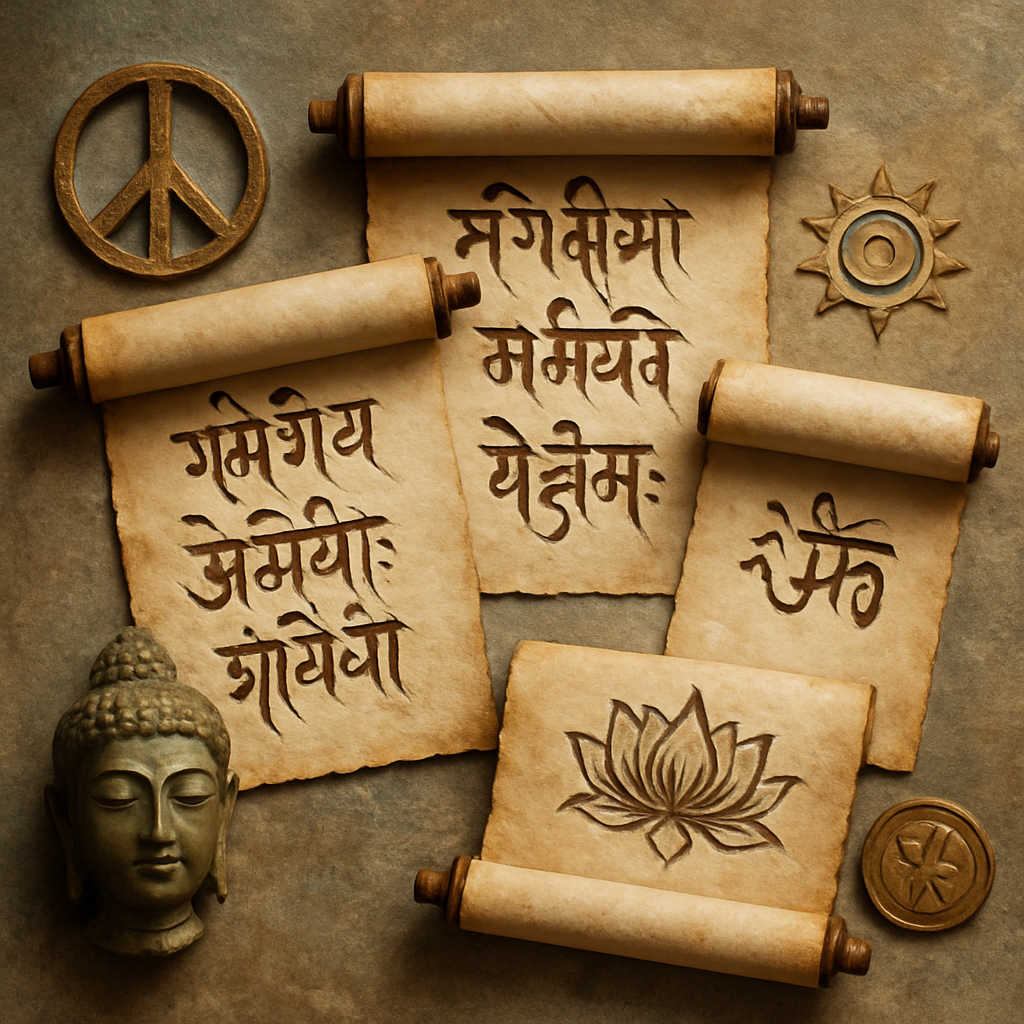
Integrating Mantras into Daily Life
Creating a Personal Mantra Practice Routine
Ready to make mantras a part of your daily grind? Let’s craft a personal mantra practice that fits seamlessly into your life, like that perfect pair of jeans. Here’s how to get started:
- Choose Your Mantra: Pick a powerful mantra that resonates with you. Whether it’s a Sanskrit mantra or a modern affirmation, make sure it feels right.
- Set the Scene: Create a peaceful environment. This could be your cozy corner at home or even a quiet spot in the park. Think of it as setting the stage for an epic performance!
- Create a Schedule: Consistency is key! Aim for the same time each day-morning, afternoon, or evening-to recite your daily mantra. Just like watering plants, regularity helps them grow!
- Start Small: Begin with just 5 minutes of chanting or meditation. As you get comfortable, gradually increase the time. You’re training for the marathon of mindfulness here!
- Reflect and Adjust: After a week or two, reflect on how you feel. Are there changes in your mindset? Adjust your mantra if needed; it should evolve just like you do.
This routine will help you integrate mantras into your life without feeling overwhelmed. It’s about finding balance and harmony-like yoga for your mind!
The Role of Meditation in Mantra Recitation
Meditation and mantras go together like peanut butter and jelly! When you incorporate meditation into your mantra recitation, you’re not just repeating words; you’re diving deep into their essence.
The act of chanting can be meditative in itself, but pairing it with focused breathing enhances its effects significantly:
- Breathe Deeply: Inhale deeply before starting to chant. This oxygen boost clears mental fog and prepares you for focus.
- Visualize: As you chant, visualize the meaning behind the words. For example, if you’re chanting a peace mantra, imagine waves of tranquility washing over you.
- Create Rhythm: Find a rhythm that feels natural-this could be slow and steady or upbeat and energizing! The rhythm helps anchor your thoughts and keeps distractions at bay.
- Acknowledge Distractions: If thoughts wander (and they will), gently guide them back without judgment. Think of it as redirecting a curious puppy during training!
This combination transforms simple chanting into an immersive experience that can lead to profound insights and emotional healing.
Tips for Enhancing the Effectiveness of Mantras
You’ve got your mantras down; now let’s amplify their impact! Here are some tips to supercharge your practice:
- Add Sound Elements: Use singing bowls or calming music while chanting to create an immersive atmosphere that enhances focus and relaxation.
- Create Visual Reminders: Write down your chosen mantras on sticky notes and place them where you’ll see them often-like on your bathroom mirror or computer screen. It’s like having motivational post-its cheering you on!
- Scent Matters: Light incense or use essential oils during practice to engage multiple senses. Scents can evoke emotions that deepen your connection to the chant.
- Praise Progress: Celebrate small milestones in your journey! Whether it’s achieving consistency or feeling more at peace, acknowledging progress keeps motivation high.
- Cultivate Community: Join groups focused on spiritual chanting or meditation practices online or locally. Sharing experiences can inspire new perspectives and deepen understanding.
Your Takeaway:
- The integration of mantras, meditation, and mindful practices can lead to transformative experiences in daily life.
- Create routines tailored to fit seamlessly into busy schedules while allowing for personal growth.
The journey of integrating mantras into daily life is much like learning to ride a bike: wobbly at first but exhilarating once you find balance! So grab those sacred words and start pedaling toward inner peace today!
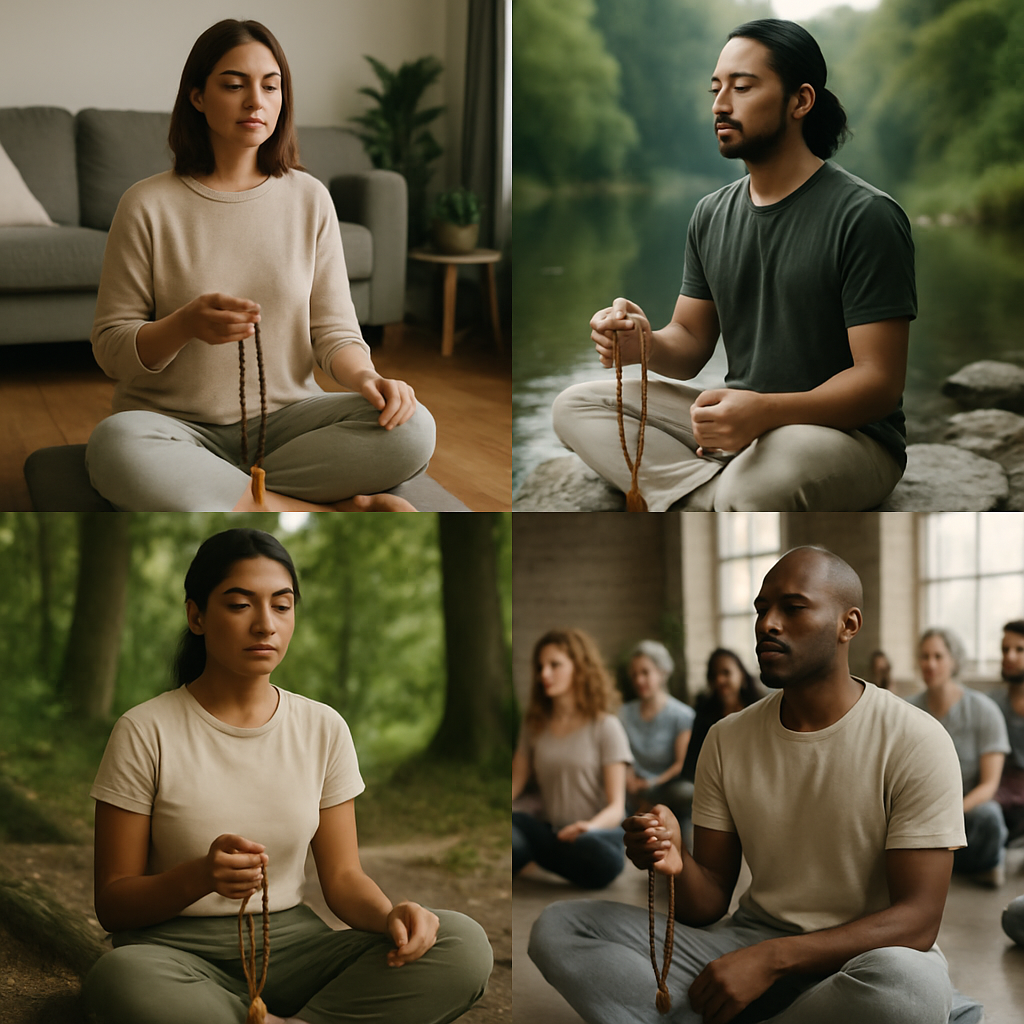
The Role of Intention in Mantra Practice
The Importance of Setting Intentions Before Recitation
Imagine trying to hit a bullseye without knowing where the target is. That’s what mantra chanting can feel like without a clear intention! Setting intentions before reciting a mantra is like putting on your GPS before heading out on a road trip. It gives your practice direction and purpose.
When you approach your meditation mantra with intention, you’re not just repeating sacred words; you’re inviting specific energies into your life. Whether it’s for inner peace, emotional healing, or prosperity, having a clear goal can enhance the effectiveness of your practice.
Here’s how to set intentions effectively:
- Be Specific: Instead of saying, “I want to be happy,” try “I want to cultivate joy in my daily life.” The more precise, the better!
- Visualize Your Goal: Picture what achieving this intention looks like. This mental imagery can amplify the energy behind your chant.
- Write It Down: Jotting down your intentions can help solidify them in your mind. Consider keeping a spiritual journal!
- Create a Ritual: Light a candle or burn incense as you set your intention. This adds an element of sacredness to the process.
By setting these clear intentions, you transform your mantra chanting from mere repetition into a powerful practice that resonates deeply within.
Anecdotes or Examples from Practitioners
The power of intention is not just theoretical; it’s backed by real-life experiences! Many practitioners have shared transformative stories about their journeys with mantras.
- Sara’s Journey to Inner Peace: After struggling with anxiety, Sara began using the peace mantra “Om Shanti.” She set an intention each morning: “Today, I invite calmness into my life.” Over time, she noticed significant reductions in her anxiety levels and felt more grounded throughout her day.
- Raj’s Path to Prosperity: Raj was facing financial difficulties when he discovered the Lakshmi Gayatri Mantra. With the intention of attracting abundance, he chanted it daily while visualizing his financial goals. Within months, he landed new clients for his business and felt an overall shift in his financial mindset!
- Maya’s Emotional Healing: After experiencing heartbreak, Maya turned to “Om Namah Shivaya” as her healing mantra. By setting the intention to release her pain during each session, she found herself gradually letting go of negative emotions and embracing self-love.
These stories illustrate that when practitioners align their intentions with their mantra chanting, they often experience profound shifts in their lives. It’s not just about saying words; it’s about creating a meaningful connection with them!
Your Takeaway:
- The clarity of intention enhances the effectiveness of mantra chanting significantly.
- Anecdotal evidence supports that setting specific goals leads to transformative experiences for practitioners.
- Your journey with mantras can be uniquely powerful when paired with heartfelt intentions!
If you’re ready to embark on this journey, take some time today to reflect on what you truly desire from your mantra practice. Remember: every chant has its own unique vibration waiting for you to resonate with it!
Meditative Practices Complementing Mantras
Breathe Work Techniques to Enhance Focus on Mantras
Let’s face it: focusing on a mantra can be as tricky as trying to catch smoke with your bare hands. Enter breathwork! This powerful practice not only calms the mind but also sets the stage for effective mantra chanting. Think of your breath as the trusty sidekick to your mantra superhero!
Here are some breathing techniques that can help you dive deeper into your mantra practice:
- Box Breathing: Inhale for a count of four, hold for four, exhale for four, and hold again for four. This technique helps center your thoughts and prepares you for chanting.
- Alternate Nostril Breathing: Close one nostril while inhaling through the other, then switch. This ancient yoga practice balances energy and clears mental fog-perfect for enhancing focus!
- Deep Belly Breathing: Place your hands on your belly and feel it rise and fall with each breath. This activates the relaxation response in your body, making it easier to connect with the vibrations of your chosen spiritual mantra.
By incorporating these breathing techniques into your routine, you’re not just preparing to chant; you’re creating an environment ripe for transformation. It’s like turning on the lights before stepping onto a stage!
Meditation Styles That Align with Mantra Practices
Meditation and mantras are like peanut butter and jelly-they just belong together! But did you know that different meditation styles can amplify the effectiveness of your mantra chanting? Let’s explore some styles that beautifully complement this ancient practice.
- Guided Meditation: Imagine having a personal coach leading you through your mantra journey. Guided meditations often incorporate mantras along with visualizations, helping you connect more deeply with their meanings.
- Loving-Kindness Meditation: This style focuses on cultivating compassion and love towards yourself and others. Pairing this with love mantras like “Om Mani Padme Hum” can create an atmosphere of warmth and positivity.
- Zazen (Zen Meditation): In this seated meditation practice, focus on your breath while silently reciting a mantra. The simplicity of Zazen allows you to immerse yourself in the sound without distractions-ideal for those seeking mental clarity.
- Kundalini Yoga: This dynamic practice combines physical movement, breathwork, and mantra chanting to awaken energy within you. It’s like hitting the refresh button on both body and mind!
The beauty of these meditation styles is that they provide structure while allowing flexibility in how you engage with mantras. Whether you’re looking for emotional healing or stress relief, there’s a style that fits perfectly into your journey.
Your Takeaway:
- Breathe work techniques can significantly enhance focus during mantra chanting.
- Diverse meditation styles offer unique ways to deepen your connection with mantras.
- Combining these practices creates a holistic approach to inner peace and personal growth!
If you’re eager to elevate your mantra experience, consider integrating these breathing techniques and meditation styles into your routine today! Your path toward tranquility awaits-one chant at a time!
User Experiences and Testimonials
Pooja Havanam Community Experiences with Mantras
The Pooja Havanam community has been a vibrant hub for individuals seeking solace and transformation through mantra chanting. Many members have shared their personal journeys, highlighting how these ancient practices have woven themselves into the fabric of their modern lives.
For instance, one member, Aditi, discovered the Hindu mantra “Om Namah Shivaya” during a particularly challenging time. She recalls, “I felt lost and overwhelmed. Chanting this mantra daily became my anchor. It helped me navigate through my emotional turmoil and find my footing again.” Aditi’s experience is just one of many that illustrates the profound impact of incorporating sacred words into daily routines.
Similarly, Rajesh, a busy professional, found that integrating Buddhist mantras into his morning routine significantly improved his focus at work. He shares, “I started with just five minutes of chanting ‘Om Mani Padme Hum’ before diving into my day. It’s like flipping a switch-I’m more productive and calm now!” His story reflects a growing trend among professionals seeking mental clarity through ancient practices.
The Impact on Their Lives Over Time
As members of the Pooja Havanam community continued to embrace their mantra practices, the collective feedback revealed transformative changes over time:
- Enhanced Mental Clarity: Many reported improvements in focus and cognitive flexibility after regularly engaging with meditation mantras. This shift allowed them to tackle daily challenges with greater ease.
- Emotional Resilience: Practitioners like Maya found that consistent use of healing mantras helped them process emotions more healthily. “It’s like having a toolkit for life’s ups and downs,” she explains.
- A Sense of Community: The shared experiences fostered connections among participants. Group chanting sessions created an uplifting environment where individuals could support each other’s journeys toward inner peace.
- Spiritual Growth: Over time, many members noted a deeper understanding of themselves and their purpose. The practice became not just about reciting words but about cultivating a relationship with their inner selves.
Your Takeaway:
- The experiences shared by the Pooja Havanam community highlight how mantra chanting can lead to significant personal growth and emotional healing.
- A consistent practice fosters not only individual transformation but also strengthens communal bonds through shared spiritual journeys.
- If you’re considering integrating mantras into your life, remember that every chant has the potential to resonate deeply within you!
The stories from this vibrant community serve as powerful reminders that ancient wisdom can still hold immense relevance in our modern lives. So why not join them? Start your own mantra journey today-you never know what transformations await!
article blockquote,article ol li,article p,article ul li{font-family:inherit;font-size:18px}.featuredimage{height:300px;overflow:hidden;position:relative;margin-top:20px;margin-bottom:20px}.featuredimage img{width:100%;height:100%;top:50%;left:50%;object-fit:cover;position:absolute;transform:translate(-50%,-50%)}article p{line-height:30px}article ol li,article ul li{line-height:30px;margin-bottom:15px}article blockquote{border-left:4px solid #ccc;font-style:italic;background-color:#f8f9fa;padding:20px;border-radius:5px;margin:15px 10px}article div.info-box{background-color:#fff9db;padding:20px;border-radius:5px;margin:15px 0;border:1px solid #efe496}article table{margin:15px 0;padding:10px;border:1px solid #ccc}article div.info-box p{margin-bottom:0;margin-top:0}article span.highlight{background-color:#f8f9fb;padding:2px 5px;border-radius:5px}article div.info-box span.highlight{background:0 0!important;padding:0;border-radius:0}article img{max-width:100%;margin:20px 0}